
“Mi piace che i bordi della musica siano ruvidi. Con questo gruppo amo scrivere parti intricate ed intercambiabili, ma anche lasciare spazio per le sorprese quando ci allontaniamo da ciò che è scritto sullo spartito“.
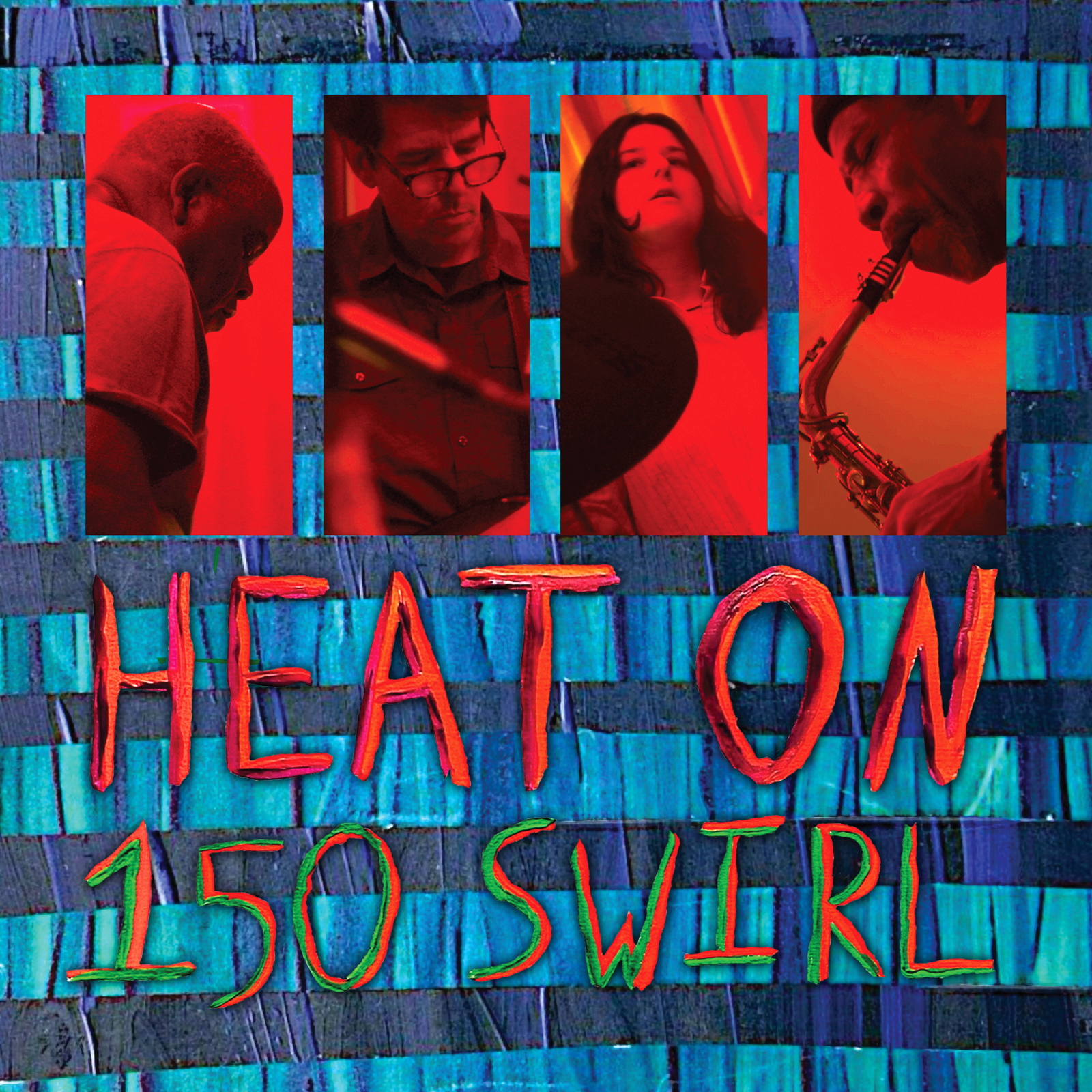
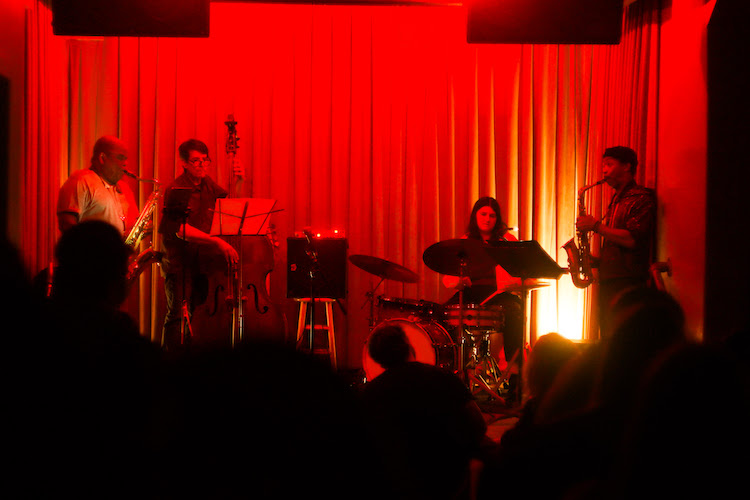
Una bella introduzione autografa per il secondo capitolo del quartetto multigenerazionale diretto dalla batterista ventottenne di Chicago Lily Finnegan, con il veterano tenorista Ed Wilkerson Jr , l’ altoista Fred Jackson Jr. ed il bassista Nick Macr.
Dopo un esordio dedicato esplicitamete alla scena di Chicago, all’ AACM ed al disco “Special Edition ” (1979) di Jack De Johnette, con David Murray Arthur Blythe e Slip Warren, Finnegan, un passato nella scena punk ed un presente da artista emergente del panorama d’avanguardia della città del Michigan, già collaboratrice di James Brandon Lewis, Bill Orcutt, Kris Davis e titolare di un double drum quintet che comprende il batterista AACM Vincent Davis, nonchè prossima a realizzare un progetto con Marylin Crispell, sembra avere progettato “150 Swirl” con l’intento di rappresentare la varietà di interessi che riflette i diversi aspetti della sua personalità.
La musica mantiene la filigrana sgranata e l’impronta ruvida dei brani dell’esordio, con i due saxes protagonisti sulla perentoria spinta ritmica della batteria e del basso, ma il panorama complessivo risulta simile ad un manifesto di spunti che hanno intersecato la pur breve carriera della batterista.
Il brano di apertura firmato da Finnegan “Same Old Velvet,” contiene una duplice dedica, al jazz club Velvet Lounge , epicentro della scena free del midwest attivo fino al 2019, ed al sassofonista Fred Anderson : inizia in modo astratto per acquisire nello sviluppo un’energica e compatta spinta swing con il clarinetto di Wilkerson e l’alto sax di Jackson. “E’ ispirato a Roscoe Mitchell ed Henry Threadgill, con elementi del loro lavoro usati come fossero i colori sulla tavolozza di un pittore” , spiega la Finnegan.
Il programma alterna quindi le serrate meccaniche di “Eighty Too”, base ritmica metronomica e fiati che intrecciano frasi in logica geometrica con richiami allo stile di Steve Coleman, una “For H-Park,” che si apre sul solo di batteria generativo di un groove dal sapore afro cubano sul quale i fiati danzano in equilibrio fra melodia e libertà, per giungere, con “Lipstick Criminal Moonlight”, ad una esplorazione complessa che coniuga un ostinato e perentorio tema, una sezione free che non smarrisce l’energia ritmica di fondo, ed una successiva discesa verso la dimensione più meditativa percorsa dalle scure risonanze del contrabbasso.
“Lovebird Nextdoor” è una ballad che evoca terreni cari a Charles Mingus: il passo è felpato e gentile con grande e raffinato lavoro del sax e qualche cesura ritmica ad interrompere e contraddire il rilassato clima generale .
Il panorama si completa con “Drift, Flip, Spiral-Like”,con la sapiente regia ritmica della leader che conduce la band dal Brasile a geografie astratte fino ad un energico vorticoso giro finale , e con la conclusiva “Rubber Rose“, un gioco dialogico nel quale i clarinetti di Jackson e Wilkerson, ed il basso elettrico e la batteria, impegnati in cangianti figure ritmiche, sembrano percorrere sentieri paralleli mantenendo una vigorosa ed imprevedibile coerenza complessiva.
Segnalata come giovane musicista emergente nell’ambito del programma Next Jazz Legacy / New Music USA, creato da Terri Lyne Carrington. insieme a Moor Mother ed alla pianista Marilyn Crispell, la Finnegan è attiva in diversi ruoli nel campo della società, della cultura e della musica contemporanea, organizzatrice di festivals e membro della cooperativa di musicisti Catalytic Sound: tutte attività che sviluppa in un rapporto continuo con la tradizione e la storia.
“Sono stata benedetta da grandi mentori, persone che mi hanno aiutato a diventare curiosa per tutti questi stili e storie differenti“,“
Fra i tanti ispiratori diretti non manca di citare Alison Miller, la batterista del gruppo Artemis.

“I like the edges of music to be rough. With this group, I love writing intricate and interchangeable parts, but also leaving room for surprises when we move away from what is written on the sheet music.”
A beautiful autographed introduction for the second chapter of the multigenerational quartet led by 28-year-old Chicago drummer Lily Finnegan, featuring veteran tenor saxophonist Ed Wilkerson Jr., alto saxophonist Fred Jackson Jr., and bassist Nick Macri.
After a debut explicitly dedicated to the Chicago scene, the AACM, and Jack DeJohnette’s album “Special Edition” (1979)—with David Murray, Arthur Blythe, and Peter Warren—Finnegan seems to have designed “150 Swirl” with the intent of representing the variety of interests that reflect the different aspects of her personality. Finnegan has a background in the punk scene and a present as an emerging artist in the avant-garde panorama of the Michigan city, having already collaborated with James Brandon Lewis, Bill Orcutt, and Kris Davis. She is also the leader of a double drum quintet that includes AACM drummer Vincent Davis, and is about to realize a project with Marilyn Crispell.
The music maintains the grainy texture and rough imprint of the tracks from the debut, with the two saxophones taking center stage over the authoritative rhythmic drive of the drums and bass. However, the overall landscape feels like a manifesto of ideas that have intersected the drummer’s short but intense career.
The opening track written by Finnegan, “Same Old Velvet,” contains a dual dedication to the Velvet Lounge jazz club—the epicenter of the Midwest free jazz scene active until 2019—and to saxophonist Fred Anderson. It begins abstractly, gaining an energetic and compact swing drive as it develops, featuring Wilkerson’s clarinet and Jackson’s alto sax. “It’s inspired by Roscoe Mitchell and Henry Threadgill, with elements of their work used like colors on a painter’s palette,” Finnegan explains.
The program then alternates the tight mechanics of “Eighty Too”—a metronomic rhythmic base with horns intertwining phrases in a geometric logic reminiscent of Steve Coleman’s style—and “For H-Park,” which opens with a drum solo generating an Afro-Cuban flavored groove over which the horns dance in a balance between melody and freedom. It then moves to “Lipstick Criminal Moonlight,” leading to a complex exploration that combines an obstinate and authoritative theme, a free section that never loses its underlying rhythmic energy, and a subsequent descent toward a more meditative dimension paced by the dark resonances of the double bass.
“Lovebird Nextdoor” is a ballad that evokes territories dear to Charles Mingus: the pace is stealthy and gentle, featuring great and refined saxophone work, with occasional rhythmic breaks that interrupt and contradict the relaxed overall atmosphere.
The landscape is completed by “Drift, Flip, Spiral-Like”—with the leader’s skillful rhythmic direction leading the band from Brazil to abstract geographies up to an energetic, swirling final turn—and by the closing “Rubber Rose,” a dialogic game in which Jackson and Wilkerson’s clarinets, along with the electric bass and drums engaged in shifting rhythmic figures, seem to walk parallel paths while maintaining a vigorous and unpredictable overall coherence.
Recognized as a rising young musician within the Next Jazz Legacy / New Music USA program—created by Terri Lyne Carrington—Finnegan is active in various roles across society, culture, and contemporary music. Alongside Moor Mother and pianist Marilyn Crispell, she works as a festival organizer and is a member of the Catalytic Sound musicians’ cooperative. She develops all these activities in a continuous relationship with tradition and history.
“I have been blessed with great mentors, people who helped me become curious about all these different styles and histories.”
Among her many direct inspirations, she makes sure to mention Allison Miller, the drummer of the group Artemis.
 Tracce di Jazz