
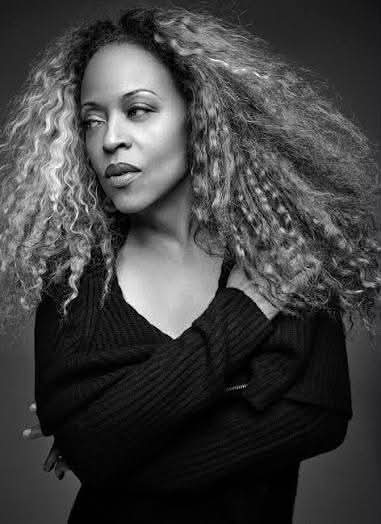
Se n’è andata Cassandra Wilson, una delle voci più originali e riconoscibili del jazz degli ultimi quarant’anni. La cantante, cantautrice e produttrice statunitense è morta mercoledì nella sua città natale, Jackson, in Mississippi, all’età di 70 anni. Ad annunciarlo è stato il suo manager storico, Robert Torre, che ha diffuso la notizia attraverso l’emittente radiofonica jazz WBGO. Nella dichiarazione ufficiale si legge che Wilson si è spenta serenamente nella propria abitazione, circondata da familiari e amici stretti; non è stata resa nota alcuna causa del decesso. Il mio personale ricordo riguarda le prime esibizioni italiane di Cassandra con la formazione di Steve Coleman, all’ epoca suo marito. Di lei impressionava il timbro della voce, scuro e potente, e la indubbia personalità, già evidente fin da giovane.
Nata Cassandra Fowlkes il 4 dicembre 1955 a Jackson, era figlia di due educatori, Herman B. Fowlkes e la dottoressa Mary Fowlkes; il padre era anche un musicista di professione, principalmente bassista e chitarrista. Fu proprio in famiglia, tra la passione della madre per la Motown e la dedizione paterna al jazz, che nacque il suo amore precoce per la musica.
Il suo timbro, un contralto scuro e fumoso, l’ha resa una delle interpreti più distintive della sua generazione. Il critico Gary Giddins la descrisse come un’artista dotata di un timbro e di un attacco inconfondibili, capace di ampliare i confini del genere mescolando blues, country e folk al linguaggio jazzistico. Non a caso, nel 2001 il magazine Time la incoronò “la miglior cantante d’America”.
Dopo gli esordi sperimentali a New York nell’orbita del collettivo M-Base, la svolta arrivò negli anni Novanta con il passaggio alla Blue Note: dischi come Blue Light ‘til Dawn e New Moon Daughter la consacrarono reinterpretando, con arrangiamenti acustici e intimi, brani di Joni Mitchell, Van Morrison, Neil Young e dei bluesman del Delta come Robert Johnson e Son House. Ha vinto due Grammy , per Best Jazz Vocal Album, nel 1996 con l’iconico New Moon Daughter e nel 2008 con l’album di standard Loverly , ed è stata nominata NEA Jazz Master nel 2022.
Il critico del New York Times Ben Ratliff colse forse meglio di chiunque altro la sua alchimia sonora, osservando che i suoi dischi, dai primi anni ’90 alla metà degli anni Duemila, avevano filtrato la storia della musica popolare americana attraverso le radici del Sud rielaborate da musicisti jazz newyorchesi , un risultato che non somigliava a nient’altro.
Il musicista Jon Batiste, in un elogio pronunciato mercoledì, ha detto semplicemente che Wilson suonava come il Sud. Anche la sua città natale l’ha voluta ricordare: il sindaco di Jackson, John Horhn, ha dichiarato che Jackson ha perso una straordinaria figlia e il mondo una voce musicale unica, sottolineando come Wilson abbia portato con sé il suono, lo spirito e la storia del Mississippi ovunque la sua musica arrivasse.
Un ricordo particolare è quello scritto da Nate Chinen su Substack, troppo lungo per essere tradotto integralmente, mi limito ai passaggi principali, che pure non sono sintetici:
Ricorda le proprie difficoltà nel descrivere quel timbro nel tempo , paragonato a un bourbon invecchiato in botte o a un pennacchio di fumo di legno di melo, e cita un proprio profilo per JazzTimes del 2006, in cui la definiva difficile da descrivere ma impossibile da non riconoscere.
Racconta un aneddoto sull’album Thunderbird (2006): il produttore T Bone Burnett gli disse che Wilson era forse la migliore cantante al mondo, “l’ultima vera cantante jazz” , giudizio che Chinen non condivideva allora e respinge ancora oggi, pur trovandosi d’accordo sull’affermazione di Burnett che lei potesse essere una delle più grandi di sempre.
Ripercorre poi due album chiave agli antipodi della sua carriera: Blue Skies (1988), il suo disco più tradizionalmente jazz, e Blue Light ‘til Dawn (1993), l’esordio rivoluzionario per la Blue Note , sottolineando come negli anni Wilson si sia spinta verso il free-funk e il misticismo cosmico insieme a Steve Coleman e al movimento M-BASE.
Il cuore del pezzo è il racconto in prima persona di un concerto del 2007 al club newyorchese The Stone, dove Wilson si riunì a Steve Coleman per un evento irripetibile, con un ensemble che includeva Jason Moran, Marvin Sewell, Lonnie Plaxico, Pedrito Martínez e Dafnis Prieto. Il concerto era costruito attorno al sistema divinatorio yoruba dell’Ifa, con un poster che illustrava i 16 Odu principali; il gruppo aveva composto musica per quattro di essi. Chinen descrive quella sera come uno dei momenti in cui Wilson era più autentica: capace di attingere a un lato sciamanico della propria arte senza mai volerlo addomesticare, sia in canzoni già cariche di mistero (come “Strange Fruit”, che apre New Moon Daughter) sia in brani apparentemente neutri come “Love Is Blindness” degli U2 o “Death Letter” di Son House.
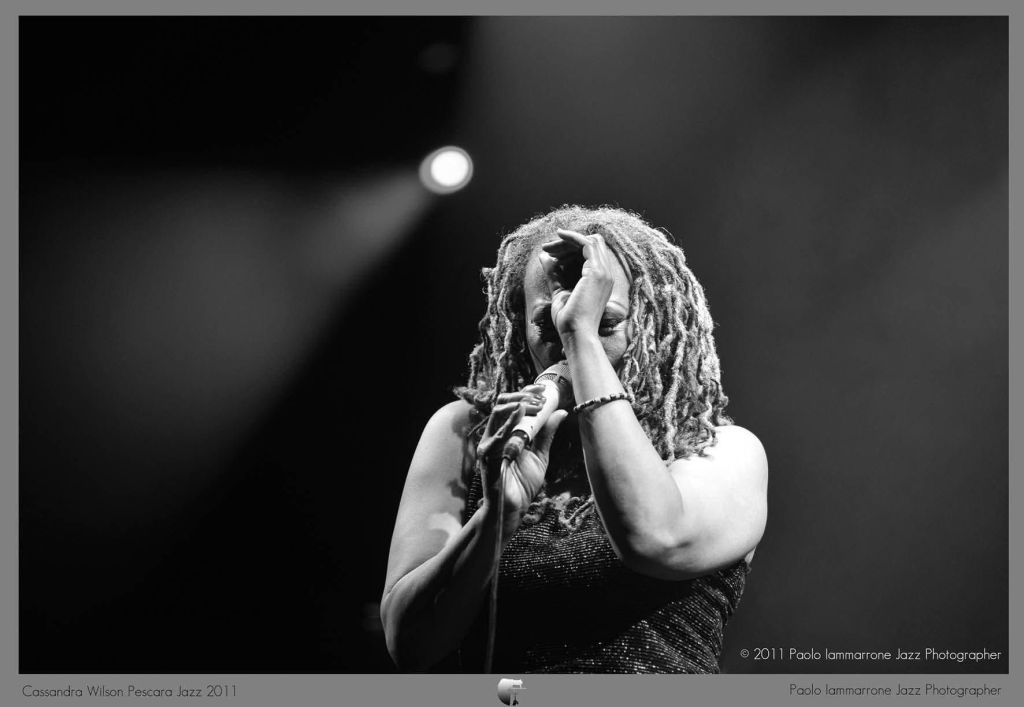
Cassandra Wilson non è stata semplicemente una cantante jazz: è stata un ponte tra generi e generazioni, capace di far dialogare Billie Holiday con Neil Young, Hank Williams con i Monkees, senza mai perdere l’autenticità della propria voce. Con la sua scomparsa il jazz perde una delle interpreti più coraggiose e libere degli ultimi decenni, ma la sua discografia , dai dischi sperimentali degli anni Ottanta ai capolavori della maturità , resta lì, pronta a essere riscoperta.
Le informazioni per questo articolo sono state raccolte da fonti giornalistiche statunitensi, tra cui NPR, Variety, WBGO e WLBT.
Cover photo by Mark Seliger

Cassandra Wilson, one of the most original and instantly recognizable voices in jazz over the last forty years, has died. The American singer, songwriter, and producer passed away on Wednesday in her hometown of Jackson, Mississippi, at the age of 70. The news was announced by her longtime manager, Robert Torre, who shared it through the jazz radio station WBGO. The official statement said Wilson passed away peacefully at home, surrounded by family and close friends; no cause of death was disclosed. My personal memory concerns Cassandra’s first Italian performances with Steve Coleman’s group, her husband at the time. What struck me about her was her vocal timbre, dark and powerful, and her unmistakable personality, already evident even as a young artist.
Born Cassandra Fowlkes on December 4, 1955, in Jackson, she was the daughter of two educators, Herman B. Fowlkes and Dr. Mary Fowlkes; her father was also a working musician, primarily a bassist and guitarist. It was within the family — her mother’s love of Motown and her father’s devotion to jazz — that her early passion for music took root.
Her voice, a smoky, dark contralto, made her one of the most distinctive vocalists of her generation. Critic Gary Giddins described her as an artist with an unmistakable tone and attack, capable of pushing the boundaries of the genre by blending blues, country, and folk into a jazz vocabulary. It’s no surprise that in 2001 Time magazine crowned her “America’s Best Singer.”
After experimental beginnings in New York within the orbit of the M-Base collective, her breakthrough came in the 1990s with her move to Blue Note: albums like Blue Light ‘til Dawn and New Moon Daughter established her, reinterpreting , with intimate, acoustic arrangements , songs by Joni Mitchell, Van Morrison, and Neil Young, as well as Delta bluesmen like Robert Johnson and Son House. She won two Grammy Awards for Best Jazz Vocal Album, in 1996 for the landmark New Moon Daughter and in 2008 for the standards record Loverly, and was named an NEA Jazz Master in 2022.
New York Times critic Ben Ratliff perhaps captured her sonic alchemy best, observing that her records, from the early ’90s through the mid-2000s, had filtered the history of American popular music through Southern roots reimagined by New York jazz musicians, a result that sounded like nothing else.
Musician Jon Batiste, in a eulogy delivered on Wednesday, put it simply: Wilson sounded like the South. Her hometown remembered her too: Jackson Mayor John Horhn said the city had lost an extraordinary native daughter and the world had lost a singular musical voice, noting that Wilson carried the sound, spirit, and history of Mississippi wherever her music reached.
A particularly notable tribute is the one written by Nate Chinen on Substack, too long to translate in full, so I’ll limit myself to the main passages, which are still not brief:
He recalls his own struggles over the years to describe that timbre, comparing it to barrel-aged bourbon or a plume of applewood smoke, and cites his own 2006 profile for JazzTimes, in which he called it hard to describe but impossible not to recognize.
He tells an anecdote about the album Thunderbird (2006): producer T Bone Burnett told him Wilson was perhaps the best singer in the world, “the last real jazz singer” — a judgment Chinen didn’t share then and still rejects now, though he agrees with Burnett’s claim that she may have been one of the greatest of all time.
He then revisits two key albums at opposite ends of her career: Blue Skies (1988), her most traditionally jazz-sounding record, and Blue Light ‘til Dawn (1993), her paradigm-shifting debut for Blue Note — noting how over the years Wilson pushed further into free-funk and cosmic mysticism alongside Steve Coleman and the M-BASE movement.
The heart of the piece is a first-person account of a 2007 concert at the New York club The Stone, where Wilson reunited with Steve Coleman for a one-off event, with an ensemble that included Jason Moran, Marvin Sewell, Lonnie Plaxico, Pedrito Martínez, and Dafnis Prieto. The concert was built around the Yoruba divination system of Ifa, with a poster illustrating the 16 principal Odu; the group had composed music for four of them. Chinen describes that evening as one of the moments when Wilson was at her most authentic: able to draw on a shamanic side of her artistry without ever trying to tame it, whether in songs already charged with mystery (like “Strange Fruit,” which opens New Moon Daughter) or in seemingly neutral tracks like U2’s “Love Is Blindness” or Son House’s “Death Letter.”
Cassandra Wilson was not simply a jazz singer: she was a bridge between genres and generations, able to make Billie Holiday speak to Neil Young, Hank Williams to the Monkees, without ever losing the authenticity of her own voice. With her passing, jazz loses one of its most fearless and free-spirited interpreters of recent decades, but her catalog , from the experimental records of the 1980s to the masterworks of her maturity , remains, waiting to be rediscovered.
Information for this article was gathered from U.S. news sources, including NPR, Variety, WBGO, and WLBT.
 Tracce di Jazz